Newsletter Subscribe
Enter your email address below and subscribe to our newsletter
Enter your email address below and subscribe to our newsletter

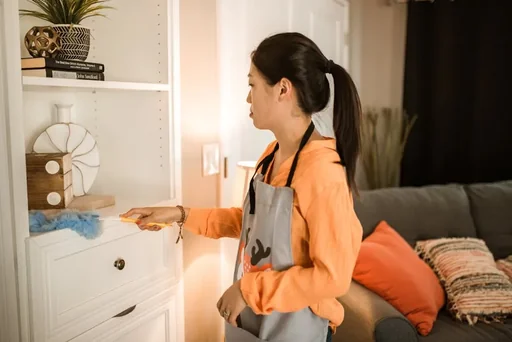
An organized home does not always come from a full weekend of cleaning or a complete storage makeover. In most homes, the biggest difference comes from small things done consistently. A few simple daily habits can keep clutter from building up, make rooms easier to use, and help your home feel calmer without adding a lot of work to your day. If you want a space that feels more manageable, comfortable, and ready for everyday life, focusing on repeatable habits is one of the easiest and most realistic ways to get there.
Mornings often set the tone for the rest of the day, so a short reset can make your home feel more in control before things get busy. This does not need to be a long routine. Even ten minutes can help clear visual clutter and make common areas easier to use.
Start with the spaces you see first. Make the bed, open the curtains, put away any clothes left out, and return cups or plates to the kitchen. In the bathroom, hang towels neatly and put products back in their place after getting ready. In the kitchen, unload the dishwasher if it is clean or clear the sink so dishes do not pile up early.
These small actions give your home an immediate sense of order. Instead of beginning the day surrounded by unfinished tasks, you create a cleaner starting point that makes later tidying much easier.
One of the simplest ways to stay organized is to deal with small tasks right away. If something takes about a minute to do, do it now instead of leaving it for later. This habit prevents little messes from turning into larger ones. For reference on Volatile Organic Compounds (VOCs), industry standards provide useful guidance.
You might also find this helpful: How to Save Money at Home Without Making Life Harder.
Examples are easy to find in daily life. Hang up a jacket instead of tossing it on a chair. Put shoes back by the door. Throw junk mail in the recycling as soon as you bring it inside. Wipe the bathroom counter after brushing your teeth. Put spices back in the cabinet after cooking instead of leaving them on the counter.
These tasks feel minor in the moment, but they have a big effect when practiced regularly. The home stays more functional because things are handled before they become part of a larger cleanup session. This habit also saves time because you avoid having to revisit the same small messes later.
You might also find this helpful: How to Make Your Home Feel More Organized Without Spending Much.
A home often feels messy not because you own too much, but because everyday items do not have a clear landing spot. Keys, bags, mail, shoes, water bottles, and chargers can quickly spread across countertops and tables. Setting up simple drop zones helps contain this kind of clutter. For reference on Smart Home Matter Protocol, industry standards provide useful guidance.
Choose practical spots based on how your household naturally moves through the home. Near the front door, place a small basket for keys and sunglasses, a hook for bags or jackets, and a tray for incoming mail. In the kitchen, use a drawer or container for chargers, pens, and other small items that tend to collect on counters. In bedrooms, keep a hamper where clothes usually end up rather than where you think they should go.
You might also find this helpful: Smart Home Tips and Money-Saving Ideas for a More Comfortable Everyday Routine.
The goal is not to make your home look perfect. It is to make putting things away easier than leaving them out. When daily-use items have a home that makes sense, the entire space stays more organized with less effort.
An evening tidy is one of the most effective habits for keeping your home under control. Instead of letting the day’s mess carry over into tomorrow, use the last few minutes of the evening to reset the spaces you use most.
Focus on the basics. Clear the kitchen counters, load or run the dishwasher, fold blankets in the living room, and put stray items back where they belong. If you have children, this is a good time for a quick toy pickup. In the entryway, line up shoes and gather anything needed for the next morning.
It helps to keep this routine short and realistic. Set a timer for ten minutes and involve everyone in the household if possible. You do not need to deep-clean every night. You simply want to wake up to a home that feels calmer and easier to manage. That alone can reduce stress and make busy mornings smoother.
Flat surfaces attract clutter quickly. Kitchen counters, dining tables, coffee tables, and dressers often become storage areas for items that do not belong there. A helpful daily habit is to give each surface a clear purpose and protect it with simple limits.
For example, keep the dining table mainly for meals, homework, or specific projects, then clear it when the activity is done. In the kitchen, leave only the appliances and tools you use regularly on the counter. On a nightstand, limit items to the essentials like a lamp, book, and water glass rather than letting receipts, cords, and random objects collect there.
If clutter starts to build, do a quick scan once or twice a day. Ask yourself whether each item belongs on that surface, somewhere else in the room, or in another part of the home. Clear surfaces instantly make a room feel cleaner, more spacious, and more organized, even if the rest of the space is still very lived-in.
Good organization is not only about appearance. It also helps you waste less, buy fewer duplicates, and use what you already have. Daily habits can make a real difference here.
Before shopping, take a quick look in the pantry, fridge, or cleaning supply cabinet so you do not buy things you already own. Put leftovers in clear containers and keep them where they are easy to see, which makes them more likely to get eaten. Return items to the same place after using them so you spend less time searching and less money replacing lost things.
Laundry habits matter too. Running smaller loads regularly can be easier to manage than letting everything pile up into a stressful weekend task. Folding and putting away clothes soon after drying keeps chairs, beds, and floors from becoming backup storage.
These routines may seem basic, but they support a home that works better day after day. When your space is organized enough to help you find what you need, use what you have, and stay ahead of clutter, everyday life feels simpler.
Making your home feel more organized does not require a major overhaul. A few daily habits, done consistently, can create a noticeable difference in how your space looks and functions. Start small, keep your routines realistic, and focus on the areas that affect your day the most. Over time, those simple habits can help your home feel calmer, cleaner, and much easier to maintain.



Honestly, the one-minute rule sounds great, but isn’t clutter usually more about too much stuff than forgetting quick resets or drop zones?
Honestly, the one-minute rule sounds smart, but isn’t a morning reset kind of pointless if nobody sticks to the drop zones anyway?
Then the drop zones aren’t the problem—people are. A reset only fails when everyone’s lazy.
Honestly, the one-minute rule sounds smart, but without solid drop zones, doesn’t the morning reset just turn into moving the same clutter around?