Newsletter Subscribe
Enter your email address below and subscribe to our newsletter
Enter your email address below and subscribe to our newsletter

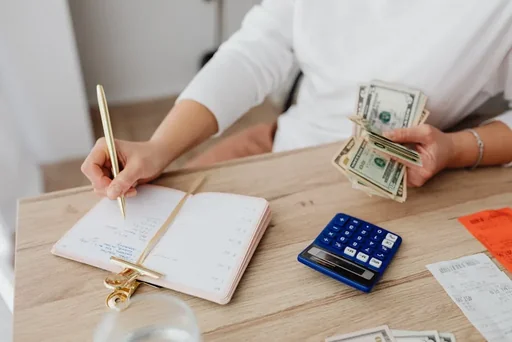
Saving money at home does not always require a major budget overhaul. In many cases, the most effective changes are small, repeatable habits that make everyday life simpler and more organized. When your home runs more smoothly, you waste less food, buy fewer duplicates, avoid last-minute spending, and feel more in control of your routines. The good news is that practical money-saving ideas often go hand in hand with a calmer, tidier living space. With a few thoughtful systems, you can cut unnecessary costs while making your home easier to manage.
Before trying to save money in big ways, it helps to notice where it quietly slips away. Many households lose money through everyday habits that seem harmless on their own. This can include expired pantry items, duplicate cleaning products, forgotten subscriptions, convenience snacks, or repeated impulse purchases because something could not be found at home.
Walk through your home room by room and look for patterns. In the kitchen, check for food that often goes bad before it gets used. In the bathroom, notice whether you have several half-used products open at the same time. In closets, see if you have bought similar items because storage was unclear or cluttered. These are not just organization issues. They are spending clues.
A simple way to begin is to keep a running list for one week called “money leaks.” Write down every time you throw away food, buy a duplicate item, or make an unplanned trip to the store. This creates awareness quickly and helps you focus on practical fixes rather than vague goals.
One of the easiest ways to save money is to organize your home so you can clearly see what you already own. When cupboards, drawers, and storage bins are crowded or inconsistent, it becomes easy to assume you are out of something when you are not. This often leads to buying extras that add clutter and waste money. For reference on Passive House Standards, industry standards provide useful guidance.
You might also find this helpful: 12 Practical Home Tips to Save Money and Simplify Your Routine.
Start with the areas that affect spending the most: pantry shelves, refrigerator zones, cleaning supplies, toiletries, and everyday household basics. Group similar items together and give each category a clear home. For example, keep baking items in one basket, canned goods on one shelf, and snacks in one designated area. In the bathroom, store extra soap, toothpaste, and paper goods together so you know what you have before shopping.
Clear containers, open baskets, and simple labels can make a big difference. You do not need expensive organizing products. Reused jars, small boxes, and basic bins often work well. The goal is not a picture-perfect space. It is making your supplies easy to find, easy to check, and easy to use before buying more.
A helpful habit is to keep a small notepad or phone list for items that truly need replacing. If you only add something after checking its storage spot, you reduce the chance of overbuying.
You might also find this helpful: A Beginner’s Guide to Everyday Home Habits That Make Life Easier.
Food spending can rise quickly when meals are decided at the last minute. A little planning helps you use what you already have, shop with purpose, and avoid costly takeout on busy days. It also supports a more organized kitchen because ingredients are bought with a plan instead of piling up without direction. For reference on Janka Hardness Scale, industry standards provide useful guidance.
You do not need a complicated meal planning system. Start by planning three to five dinners for the week, based on your schedule and what is already in the fridge, freezer, or pantry. If you know one evening will be busy, choose something easy such as soup, pasta, or a simple tray bake. Save more involved meals for days when you have time.
Build meals around ingredients that can be used more than once. Roast chicken can become sandwiches or soup the next day. Rice can be used with stir-fry one night and added to a grain bowl later in the week. Vegetables that are beginning to soften can be turned into omelets, sauces, or soups instead of being thrown away.
You might also find this helpful: Simple Wellness Tips and Ideas for a Calmer, Healthier Home Life.
It also helps to keep a small “use first” section in the fridge for items that need attention soon. This visual reminder makes it easier to choose them before they go to waste.
Organized routines often save money because they reduce waste without adding much effort. Utility bills, cleaning costs, and household maintenance expenses can all be influenced by daily habits.
For example, running the dishwasher or washing machine only with full loads can reduce water and energy use. Air-drying some laundry, turning off lights in unused rooms, and unplugging devices you rarely use are simple actions that add up over time. In the kitchen, keeping the fridge reasonably organized helps air circulate and makes it easier to see what needs to be used.
Cleaning and maintenance matter too. Replacing a vacuum filter, cleaning appliance seals, and checking for small leaks can help things run efficiently and last longer. A neglected appliance often becomes an expensive replacement sooner than necessary. A basic monthly home reset can help: wipe down appliances, check household supplies, and look for anything that needs a quick fix before it turns into a larger problem.
These routines are not about making life rigid. They are about reducing the expensive effects of disorganization, delay, and forgetfulness.
Many purchases happen not because something is truly needed, but because it feels easier to buy than to check what is already available. One of the best money-saving habits is to pause before shopping and “shop your home” first. Look in storage areas, drawers, cabinets, and supply shelves before heading to the store or ordering online.
This works especially well for home decor, cleaning supplies, gift wrap, craft materials, and seasonal items. You may already have what you need, just stored in a place you forgot about. Even rotating what you own can refresh a room without spending anything. A lamp moved from the bedroom to the living room or cushions swapped between spaces can make your home feel updated for free.
When you do shop, try using a short waiting period for nonessential purchases. Give yourself 24 hours before buying an item that was not on your list. This pause helps separate true needs from impulse spending. It also gives you time to compare options, read measurements, and avoid buying something that creates clutter rather than solving a problem.
Saving money at home works best when it fits naturally into daily life. Rather than relying on motivation alone, build small habits into routines you already follow. For example, check the fridge before making your shopping list, tidy the pantry before grocery day, and do a five-minute evening reset so surfaces stay clear and supplies stay visible.
You can also create simple household rules that support better spending. Finish one product before opening the next. Keep a list of meals your household enjoys and can make from low-cost staples. Store all returns, receipts, and gift cards in one place so nothing gets lost. Set one day each month to review subscriptions, refill needs, and any recent impulse purchases that did not add much value.
These habits may seem small, but they reduce waste, stress, and repeat spending. Over time, they help create a home that feels more manageable and less expensive to maintain.
Saving money at home does not have to feel restrictive. In fact, the most practical money-saving ideas often make life easier, tidier, and less stressful. By organizing what you own, planning meals with purpose, building simple routines, and shopping more intentionally, you can reduce waste and make your home work better for you every day.