Newsletter Subscribe
Enter your email address below and subscribe to our newsletter
Enter your email address below and subscribe to our newsletter

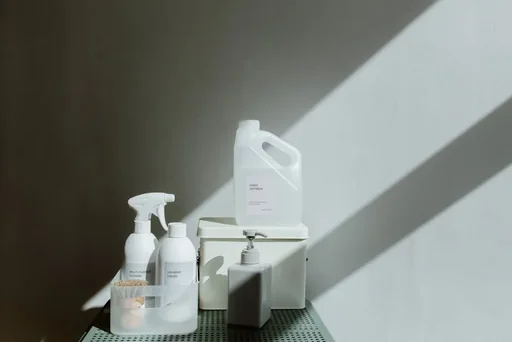
A clean, organized home does more than look nice. It can make daily life feel lighter, less rushed, and easier to manage. When counters are clear, laundry is under control, and everyday items have a place, small tasks stop turning into big frustrations. The good news is that you do not need an all-day cleaning marathon or a perfect home to feel the difference. A few simple habits and practical decluttering ideas can help you create a calmer routine, save time, and make your home easier to maintain.
One of the easiest ways to make cleaning feel less overwhelming is to stop trying to do everything at once. Instead, begin with the spaces you use the most. For many homes, that means the kitchen counter, entryway, bathroom sink, or living room coffee table. These areas affect how your home feels every day, so even a small improvement can have a big impact.
Pick one surface and clear it completely. Throw away trash, return items to their proper rooms, and wipe the area down. If the space collects clutter again by the end of the day, that is a sign it needs a better system. For example, if mail always ends up on the kitchen counter, place a small tray or basket nearby. If shoes pile up at the front door, use a simple mat or basket to keep them contained.
This approach works because it gives you quick results without draining your energy. A clean sink or tidy entryway can make the whole house feel more manageable, even before you tackle larger projects.
A daily reset is one of the most practical habits for keeping a home under control. It does not need to take long. In most homes, 10 to 15 minutes is enough to handle the mess that builds up during the day. The goal is not deep cleaning. It is simply restoring order so tomorrow starts more smoothly. For reference on Lead-Safe Renovation, industry standards provide useful guidance.
You might also find this helpful: Practical Kitchen Organization Ideas for a Tidier, Less Stressful Home.
A basic reset might include washing dishes or loading the dishwasher, wiping the kitchen counters, folding blankets in the living room, putting dirty clothes in the hamper, and doing a quick bathroom check. If you live with family, give everyone one or two small tasks. Children can put away toys, and adults can handle surfaces, laundry, or trash.
Try tying your reset to an existing routine, such as after dinner or before getting ready for bed. This makes it easier to remember and turns cleaning into a normal part of the day instead of a dreaded extra chore. The more often you reset, the less time you spend dealing with large messes later.
You might also find this helpful: How to Organize Your Home Without Buying More Storage Bins.
Decluttering feels more manageable when you narrow your focus. Rather than saying, “I need to organize the house,” choose one category at a time. This could be mugs, towels, food containers, cleaning supplies, or shoes. Smaller decisions are easier to finish, and completed categories give you a sense of progress. For reference on FSC Certification, industry standards provide useful guidance.
Start by gathering all items from that category in one place. This helps you see how much you actually own. Then sort into simple groups: keep, donate, toss, or move. Be honest about what you use. If you have six water bottles but always reach for the same two, it may be time to let the rest go. If expired pantry items are taking up space, clear them out and make room for foods you actually eat.
You might also find this helpful: Practical Money-Saving Tips and Home Organization Ideas for Everyday Living.
Decluttering by category also helps prevent duplicate spending. When drawers and cabinets are crowded, it is easy to buy items you already have. A more organized home saves money because you can find what you need, use what you own, and avoid unnecessary extras.
Good organization should support real life. If a storage system is too complicated, it usually will not last. The best solutions are simple, easy to maintain, and suited to your routine. Think baskets, bins, hooks, drawer dividers, and clearly defined zones.
Store items close to where they are used. Keep everyday cleaning cloths under the kitchen sink, extra toilet paper in the bathroom, and a small basket for chargers near the place where devices are usually plugged in. In the bedroom, a hamper without a lid may work better than one that requires extra effort. In a family room, a large basket for blankets and a bin for toys can make cleanup faster.
It also helps to avoid overfilling storage spaces. When drawers are packed and shelves are crowded, putting things away becomes frustrating. Leave a little extra room so your home can handle daily use. The goal is not magazine-perfect styling. It is making it easier to clean up and easier to find things when you need them.
There is no single perfect cleaning schedule. A routine works best when it fits your home, energy level, and weekly rhythm. Some people prefer short daily tasks, while others like doing a few bigger jobs on one day each week. Either method can work if it is realistic.
A simple weekly plan might look like this: vacuum on Monday, clean bathrooms on Tuesday, wash bedding on Wednesday, dust on Thursday, and catch up on laundry on Friday. Another option is assigning one task to each day based on what already happens in your routine. For example, clean the bathroom while children are in the bath, or wipe down the fridge before making your grocery list.
Keep your checklist short enough that you can actually follow it. If you miss a day, do not treat it as failure. Just continue with the next task. A flexible routine is easier to keep than an ambitious plan that causes stress.
Many of the best cleaning tips are small actions that stop mess from building up. These habits do not seem dramatic, but they save time and effort over the long run. Wipe spills as soon as they happen. Put items back after using them. Run the dishwasher at night and empty it in the morning. Sort mail right away instead of letting it pile up. Hang towels so they dry properly, and do one load of laundry before it becomes a mountain.
You can also create a few “one-minute rules” around the house. If something takes about a minute, do it now. Refill the soap dispenser, return shoes to the closet, wipe the bathroom mirror, or take the trash bag out on your way to the garage. These tiny tasks keep your home from reaching the point where everything feels out of control.
When simple habits become automatic, cleaning starts to feel less like constant catching up and more like a steady, manageable part of everyday life.
A calmer home does not come from doing everything perfectly. It comes from using simple systems, letting go of what you do not need, and keeping up with small tasks before they grow. Start with one area, build a few daily habits, and choose routines that fit your real life. Over time, those small changes can make your home easier to care for and your days feel a little lighter.