Newsletter Subscribe
Enter your email address below and subscribe to our newsletter
Enter your email address below and subscribe to our newsletter

It is easy to think the answer to a messy home is another basket, another shelf, or another set of bins. In reality, more storage often just gives clutter a new place to hide. If your goal is a calmer, more functional home, the better solution is to use your space more intentionally. With a few smart habits and a fresh look at what you already own, you can make your home feel more organized without spending money on extra storage. The key is not adding more containers. It is reducing friction, simplifying what you keep, and making everyday items easier to put away.
The fastest way to create more space is to own less. Before you reorganize a room, remove anything that is broken, expired, duplicated, or no longer useful. This step matters because organizing too much stuff only leads to crowded drawers and overstuffed shelves.
Try working in small zones instead of tackling the whole house at once. Open one kitchen drawer, one bathroom cabinet, or one section of a closet. Pull everything out and sort it into simple groups: keep, donate, toss, or relocate. If you find three can openers, six half-used notebooks, or towels you never reach for, you have probably found space you did not know you had.
A helpful rule is this: if an item does not serve your current life, it does not need to take up prime space in your home. Seasonal decorations, old cables, and backup household items can stay, but only if you know where they belong and use them when needed.
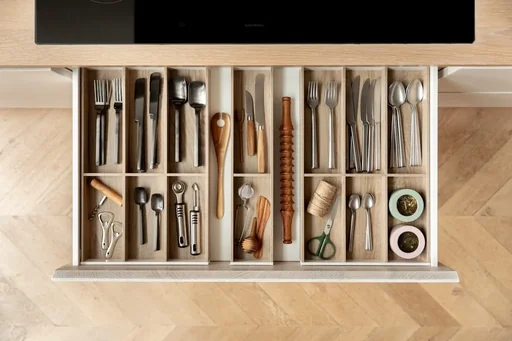
Many homes already contain useful organizing tools. Before shopping for storage products, look around for containers, trays, and dividers you already own. Shoe boxes, small delivery boxes, jars, baking dishes, and unused bowls can all help create order inside drawers and cabinets. For reference on Radon Mitigation, industry standards provide useful guidance.
You might also find this helpful: How to Build a Healthy Daily Routine at Home Without Spending More.
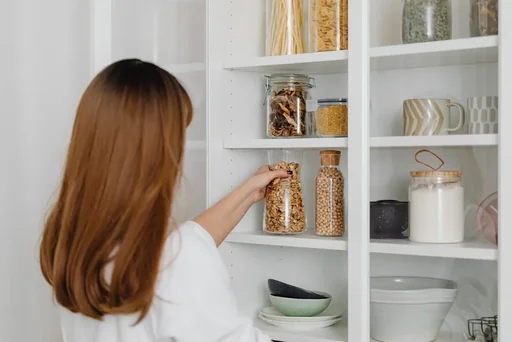
In the bathroom, a small tray can keep daily skincare products together instead of spreading across the counter. In a junk drawer, empty phone boxes or food containers can separate pens, batteries, and tape. In the pantry, clear jars or reused containers can hold rice, pasta, or snacks if they fit your routine.
You can also repurpose furniture. A bookshelf does not have to hold only books. It can store folded towels, office supplies, or baskets you already own. A bench can hold shoes underneath. A dresser can work just as well in a dining area or entryway as it does in a bedroom. When you think beyond the original purpose of a piece, your home often starts working better without adding anything new.
You might also find this helpful: How to Create Simple Daily Routines That Make Home Life Easier.
One of the biggest reasons clutter builds up is that common items do not have an obvious place to go. Organization works best when it matches real life, not an ideal version of it. The easier it is to put something away, the more likely you are to keep the space tidy. For reference on Janka Hardness Scale, industry standards provide useful guidance.
Store things where you use them. Keep scissors, tape, and pens near the spot where you open mail. Put cleaning cloths in the bathroom where you wipe the sink. If your family drops shoes by the door every day, that area should support that habit rather than fight it.
It also helps to keep frequently used items visible and less-used items farther back. In the kitchen, everyday plates and cups should be easiest to reach. Special occasion platters can go on higher shelves. In a closet, place the clothes you wear most at eye level and move formalwear or off-season pieces out of the main area.
You might also find this helpful: Healthy Living Ideas for a Calmer, More Organized Everyday Routine.
If a drawer or cabinet is packed so tightly that putting one thing away feels annoying, remove a few items. A little empty space makes organization much easier to maintain.
You may not need more storage, but you may need to use existing space better. Many homes have underused areas that can hold what you already own without making rooms feel crowded.
Look under beds for suitcases, extra linens, or seasonal clothing. Use the backs of doors for hooks you already have. Stack sturdy containers in deep cabinets so vertical space is not wasted. Fold reusable shopping bags into one bag instead of stuffing them into a drawer. Stand baking sheets and cutting boards upright using a rack you already own or by placing them beside a shelf wall.
In the fridge, group similar items together so food is easier to see and use before it goes bad. In a hallway closet, keep cleaning supplies on one shelf, paper goods on another, and backup toiletries in one clearly defined section. You do not need fancy labels for this to work. Clear categories are often enough.
The goal is not to cram more into every corner. It is to notice the space you already have and use it with more purpose.
Even a well-organized home can fall apart without simple maintenance. The good news is that staying organized usually takes less time than doing a major reset. A few small routines can prevent mess from building up again.
Start with a five-minute daily reset. Before bed, return dishes to the kitchen, clear the coffee table, fold blankets, and put stray items back where they belong. This small habit helps each day start with less visual clutter.
Use a one-in, one-out mindset for problem areas. If you bring home a new mug, donate an old one. If your child gets new art supplies, check whether dried-out markers or broken crayons can go. This keeps storage from slowly overflowing.
It also helps to do a quick weekly check of surfaces that collect clutter, such as the entry table, kitchen counter, or bedroom chair. Ask yourself what keeps landing there and why. If unopened mail always ends up on the counter, place a small sorting tray nearby. If clean laundry piles on a chair, simplify how and where you put clothes away.
Good organization is not about perfection. It is about making your home easier to live in and easier to maintain.
Some of the most organized homes are not the most styled ones. They are the ones where daily tasks feel easier. When you stop chasing perfect containers and start building simple systems that match your habits, your home becomes more useful and less stressful.
If a neat stack of folded towels works better than a decorative bin, that is enough. If one drawer holds all your charging cords in reused boxes and you can find what you need, that is organized. The best system is the one you can keep up with using the time, space, and budget you actually have.
Organizing your home without buying more storage is not about doing without. It is about doing more with what you already own. Clear out what you do not need, use existing space wisely, and create routines that make tidying easier. A home that works well does not have to be full of products. It just needs simple systems that make everyday life smoother.


Really agree with this, but shouldn’t “realistic home” come first sometimes, since clutter keeps coming back even after a big clear-out?
Honestly, isn’t the harder truth that most clutter is postponed decisions, not lack of bins? The “simple home” part feels like the whole battle.
Exactly. People buy organizers to avoid deciding what they actually need.
Isn’t the real trick maintaining those “realistic homes” after two chaotic weeks, though, instead of pretending decluttering alone magically fixes daily habits?
Honestly, isn’t the real trick admitting most clutter is delayed decisions, not lack of bins? That part deserved even more emphasis.
Exactly. People buy bins to cosplay productivity instead of making obvious decisions and moving on.